"I'll think about it." If you sell at fairs, you probably hear it all day long. It sounds like a polite no, but often it isn't. They just need a few days, and a business card doesn't help them much.
What people usually mean
When someone says it, it is usually one of these:
- They like the piece, but it costs more than they planned to spend today.
- They want to check with someone at home.
- They want to compare it with something at another table.
- They are not sure it will fit the spot they have in mind.
- They do not want to feel sold to, and this is the polite way out.
Most of these are a delay, not a refusal.
What one vendor did about it
Our first vendor heard it constantly. This fall he gave those buyers his own order page. In his first two weeks, 10 of them ordered later, for $8,197 in orders at his fair prices. Half came in on a Saturday or Sunday, while he was busy at a fair. Every order texted his phone, with a button to call the buyer back.
These were not new customers found online. They were people who had already stood at his table and walked away.
A page does what a card cannot
A business card asks the shopper to remember. A page lets them see the piece again, with the size, the color and the price. When they make up their mind at 9 PM, they do not need to find you or recall your name. The page gives them one clear next step.
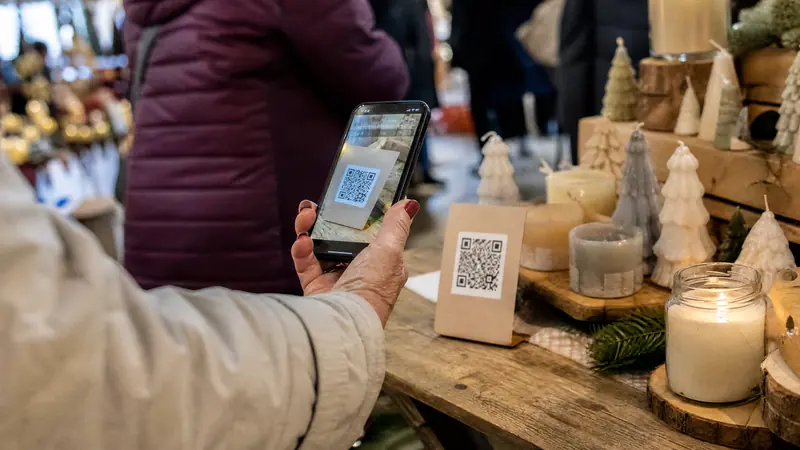
A card gets lost in a pocket. Here is why a QR code on your table works better.
At the table, before they leave
- Tell them the name of the piece, clearly.
- Say what happens next: "It's on my page, at today's price."
- Ask which piece they were thinking about. Their answer tells you what belongs at the top of your page.
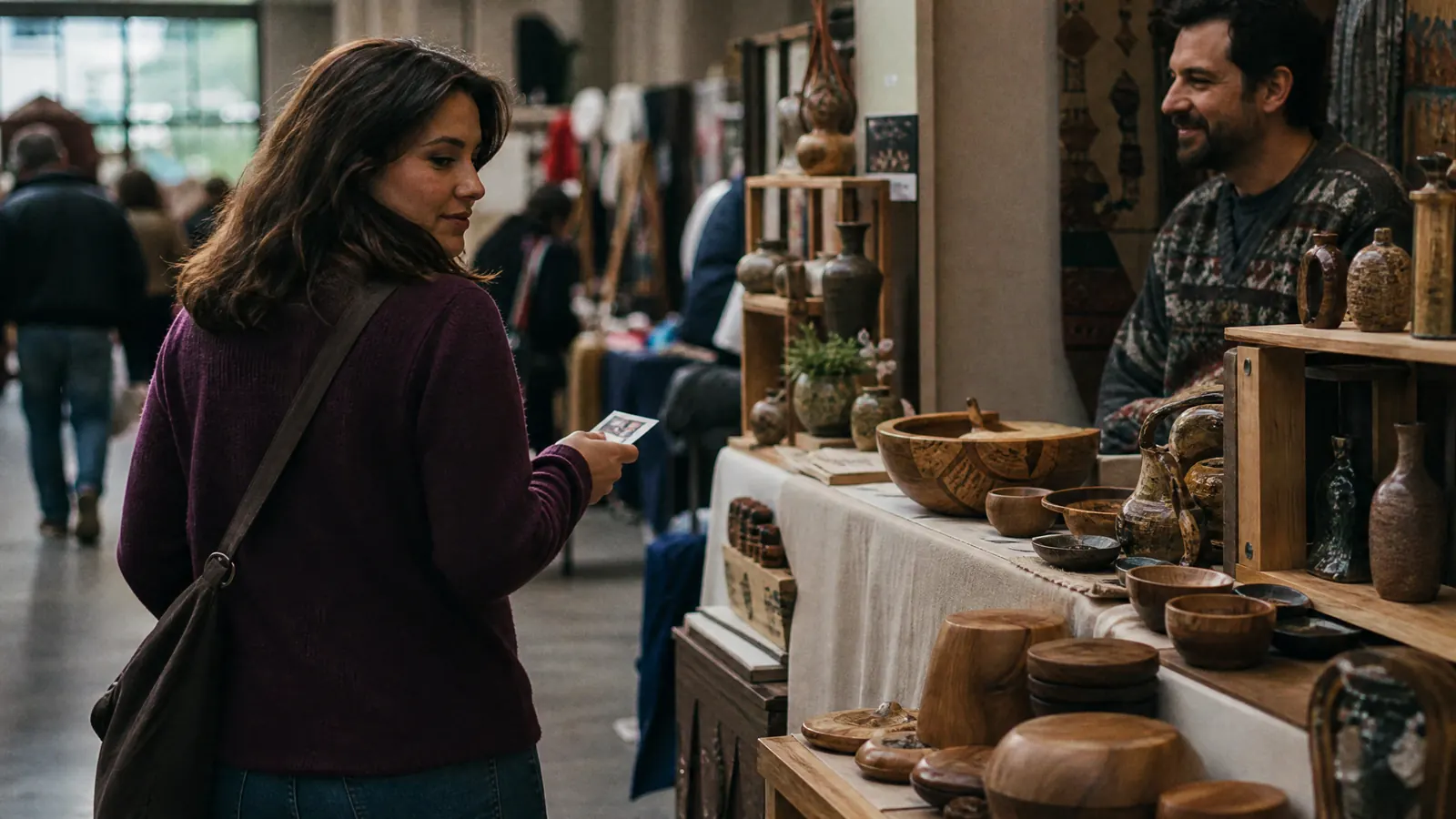
- If you hand over a card, write the piece name on the back.
- Then stop talking. A long explanation is exactly what makes people feel pushed.
What the page should show
- The exact piece, with a photo and a price.
- A short line on size and materials, so they know it is the one they held.
- One place to order, not a list of links.
- The fair price, if you can offer it, so waiting does not cost them more.
If the page is confusing, the person who was almost ready will close it. Open it on your own phone before the fair, the way a shopper would.
When the order comes in
Reach out the same day if you can. The buyer has already decided, so a quick message or call feels like good service. Have the piece ready to pack and tell them when it will ship.
Fewer people walk away when they stop first. See 6 ways to make shoppers stop at your table.
Keep count
At each fair, jot down how many people said they would think about it, how many ordered later, and what they spent. After a few fairs you will have numbers of your own, and they will tell you more than any advice.
Not everyone will come back, and that is fine. A card would not have brought them back either. The ones who do are sales you would otherwise never have seen.
Field note: What to say when a customer says “I’ll think about it”: one page, one idea.
Quick answers
How many buyers ordered later for that vendor?
In his first two weeks, 10 of them ordered, for $8,197 in orders at his fair prices.
When did those orders come in?
Half came in on a Saturday or Sunday, while he was busy working a fair.
How did the vendor learn about each order?
Every order texted his phone, with a button to call the buyer back.