Field note · October 20, 2026
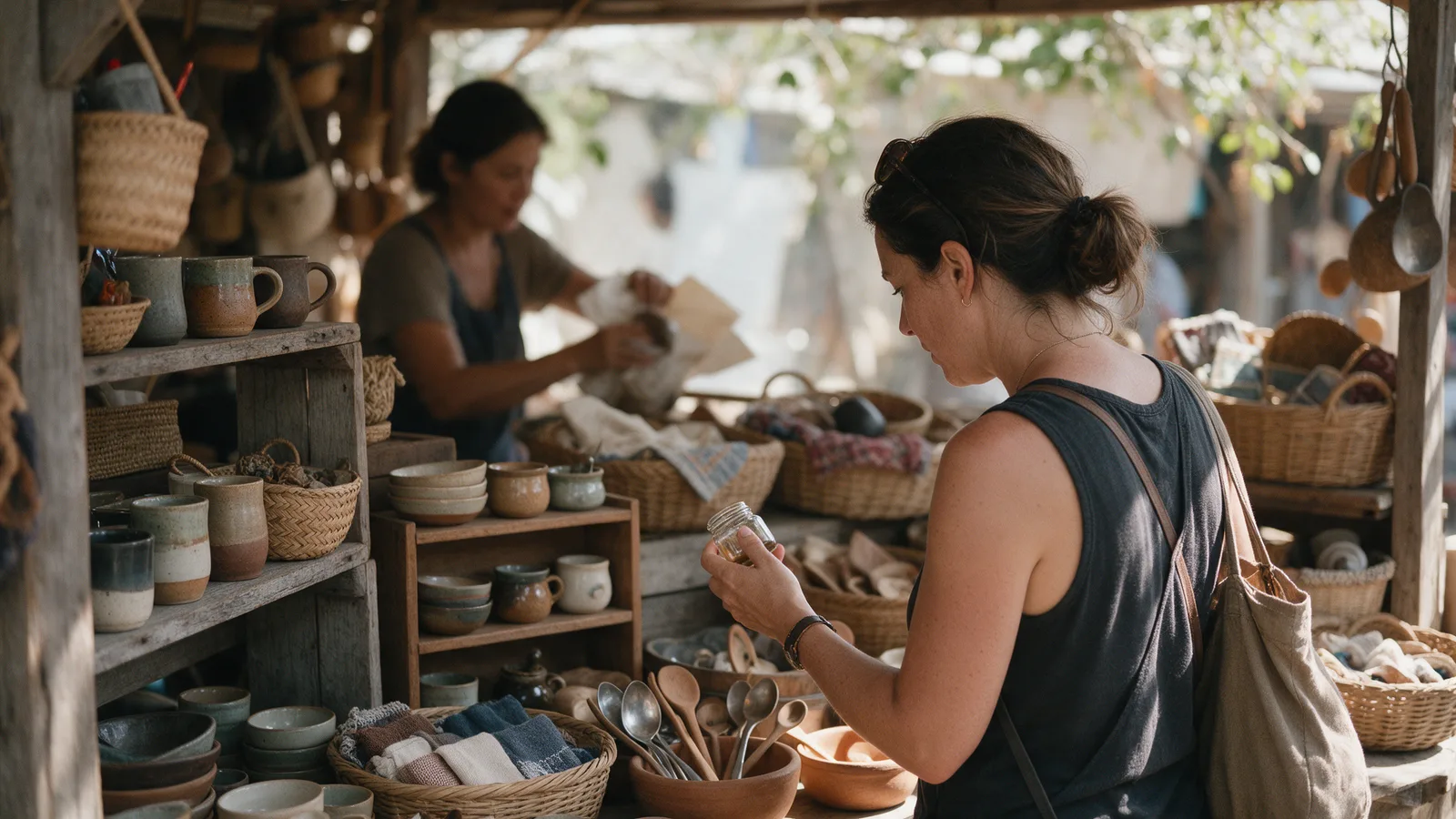
Somebody picks up a jar, turns it over, puts it back. "I'll think about it."
Nine times out of ten it means: I like it, I am not spending this today, and I do not want to argue. So do not argue. Do not drop the price either. And do not say "no problem" and turn to the next person — that is where the sale dies, quietly.
Answer with something useful. "Of course. The only thing I would check is size — that is the medium, I have the large in the box."
Give them the way back. "Everything is on my page, same prices. Order tonight and I bring it Saturday, or I ship it."
One detail they will remember. "That glaze is a batch of six. When it is gone, that colour is gone." Only if it is true. A real limit beats any discount.
Write the piece down for them. A card with the name and the price, not a business card with nothing on it.
Someone who leaves with a way to order is still a customer.
From a real fair: half the people who said "I'll think about it" on Saturday had ordered by Sunday night, once there was a page to order from.
Quick answers
Is “I’ll think about it” a no?
Usually not. It means the shopper likes the work but is not ready to spend right now.
What should a vendor say when a customer says “I’ll think about it”?
Give information instead of pressure, and a way back: the page, the price, the delivery. Then let them go.
The full guide: Why buyers say it, and what it costs you.